
Projects
Our research investigates the genetic underpinnings of complex human diseases, particularly on Alzheimer’s disease (AD) and AD-related dementias (ADRD). In addition to identifying disease-associated genetic risk factors, we study intermediate phenotypes (endophenotypes) such as plasma biomarkers, neuroimaging features, and longitudinal cognitive decline.
Our genomic analyses incorporate array-based genotyping, whole genome sequencing, and transcriptomic profiling, including expression quantitative trait loci (eQTL) studies using RNA sequencing data.
Featured
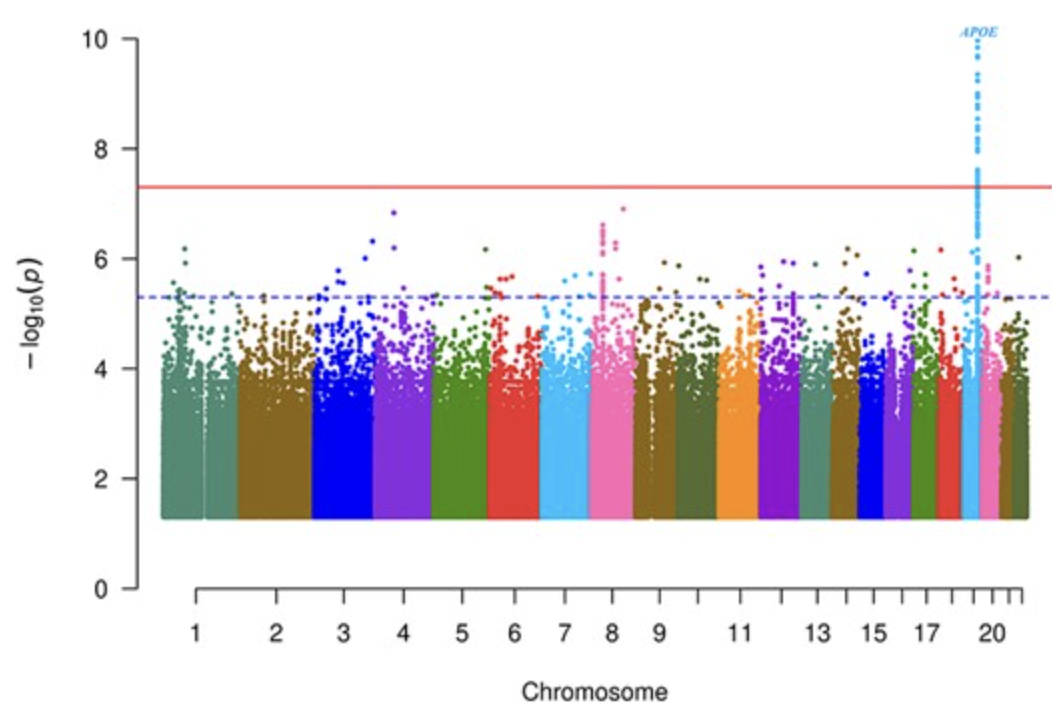
This study is focused to delineate the genetic basis of two AD-specific proteinopathies, amyloid-beta (Aβ) and pathologic tau, by whole-genome-sequencing.
The purpose of the Biomarker and Neurogenetics Core is to collect, bank, and analyze DNA, plasma, and endophenotype data from AD patients and controls to support the discovery of genetic and blood-based biomarkers for Alzheimer’s disease.
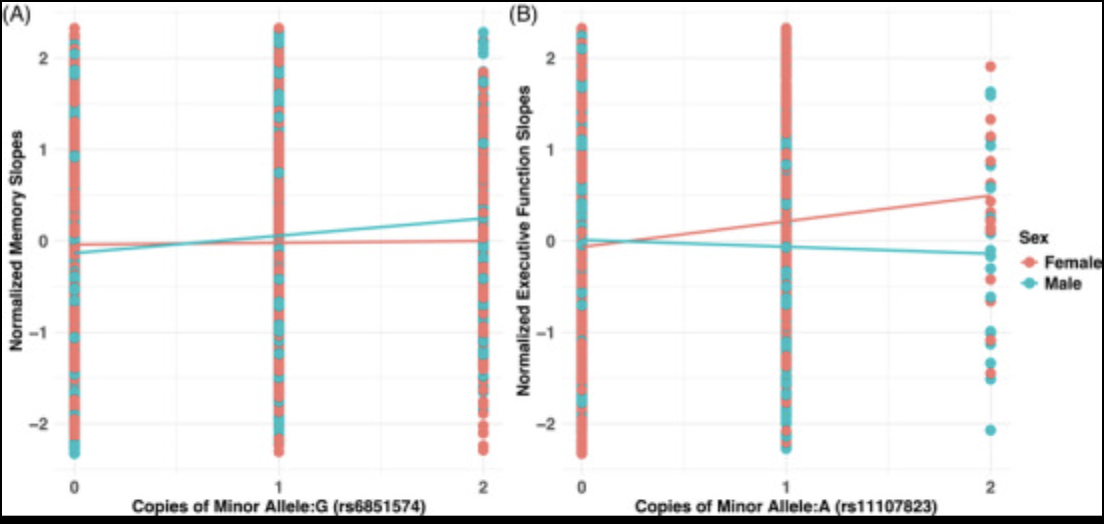
This study aims to identify genetic factors underlying Alzheimer’s disease-related phenotypes to improve prediction of disease progression and enable more targeted, personalized treatments.
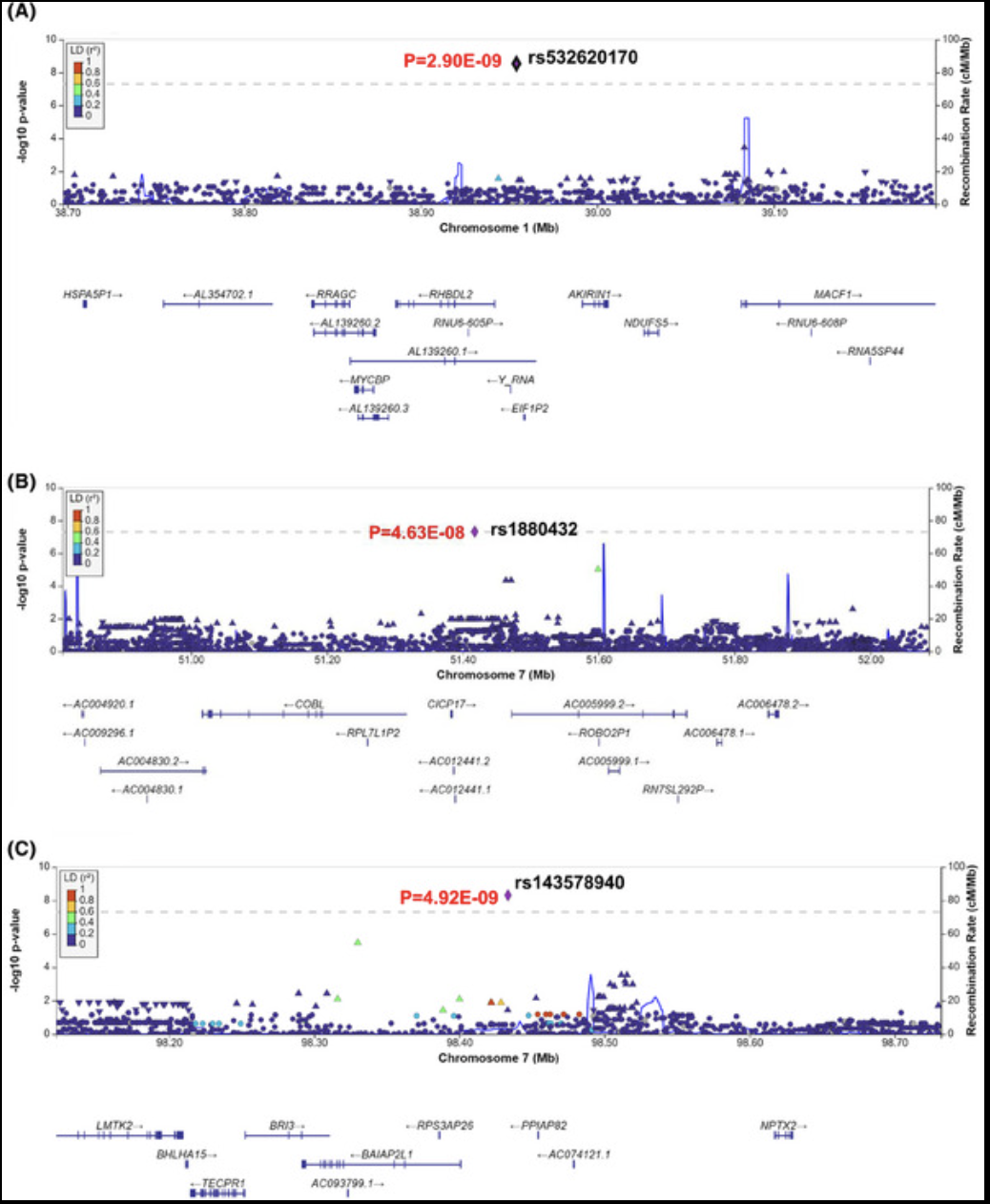
The goal of the PITT-ADRC Neurogenetics Core is to continue collecting and archiving DNA and blood samples from new and existing AD patients and controls in order to enlarge our case-control and family sample and to augment the amount of existing DNA that would be critical to future efforts in identifying new genes/variants for AD.